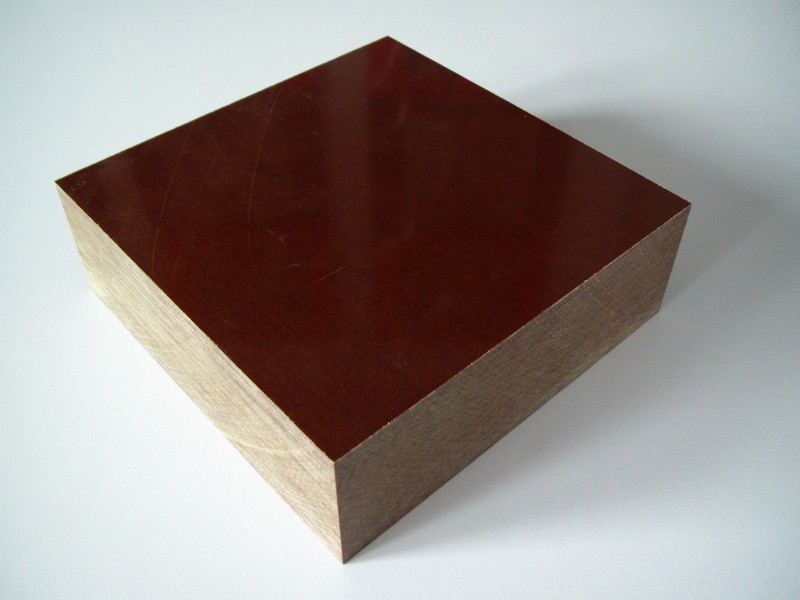
Textolite HGW 2082 is a high-quality laminate made of multiple layers of cotton fabric impregnated with phenolic resin, formed through a process of pressing under high pressure and temperature. Due to the use of cotton fibers, the textolite is extremely rigid, mechanically strong, and has excellent electrical insulating properties. This material is resistant to moisture, chemicals, and temperature effects, ensuring reliable performance even in demanding electrical and industrial applications.
Main Properties
-
High mechanical strength and rigidity
-
Excellent resistance to wear and impact
-
Outstanding electrical insulation, even at high voltages
-
Resistant to moisture, chemicals, and temperature effects
-
Dimensional stability and long service life
-
Operating temperature up to approximately 130 °C
-
Easy mechanical processing (cutting, drilling, grinding) – common tools for wood, plastic, aluminum
Typical Applications
-
Supporting and insulating parts in electric motors, generators, and transformers
-
Structural elements in the electrical industry
-
Working and protective elements in chemical and industrial production
-
Components in laboratory and technical equipment
-
Machine and device parts requiring high strength and insulation
Standards
-
DIN 7735 (specifications for cotton-phenolic laminates)
-
IEC 60893 (electrical insulating materials – cotton-phenolic laminates)
-
ASTM D-4383 (standard for cotton-phenolic materials)
Common Names and Standard Designations:
-
Textolite HGW 2082
-
Cotton-phenolic laminate
-
Cotton Phenolic Laminate
-
DIN 7735 – designation HGW 2082
-
IEC 60893 – PFCC 2082
-
ASTM D-4383 – CEM-3 (Cotton Phenolic Material) (in an international context)
